Why Should I Use Mouthwash?

You know how important it is to brush your teeth and to floss your teeth, but do you really need to have mouthwash, too? Many people forego using mouthwash because they feel that they are getting their teeth and gums clean enough without it. However, this could be a mistake. You will find that there are some nice benefits to using mouthwash. Let’s look at a couple of the biggest benefits to see why you should consider adding mouthwash to your oral care routine.

Helps to Provide a Full Cleaning

For starters, when you use mouthwash, it will provide you with a fuller, better clean for your mouth. Even though you are brushing your teeth and flossing, there are still areas that can’t be reached. All of those little crevices between the teeth that can’t be reached with your floss or the bristles of your brush are breeding grounds for bacteria. They can cause damage to your teeth. Using mouthwash can help to reach those areas and will improve your oral health.

Kills Germs that Cause Teeth to Decay and Provide Other Benefits

Using mouthwash, particularly mouthwash with fluoride can help to prevent cavities. It can also strengthen enamel and re-mineralize your teeth, which can stop the process of decay. Mouthwash can also help to stop plaque from building up on your teeth, which will reduce the number of bacteria on the teeth that release acids. There are also options for mouthwashes that can help with whitening your teeth. You can find different types of mouthwash that can help with different oral health needs.

Helps to Reduce Bad Breath

Of course, one of the other benefits of using mouthwash is that it can help to combat bad breath. Although it won’t kill bad breath permanently, it can help to reduce it at least temporarily. It will kill bacteria that cause odors that might still exist even after brushing and flossing. It can also be nice to have around for those times after lunch when you have an upcoming meeting that’s face to face and you don’t have time to brush. It will keep the scent of garlic out of the meeting room.

How and When to Use Mouthwash

Something that you need to remember is that using mouthwash is not a replacement for brushing and flossing. It’s an additional way to help your oral health. Typically, you will use the mouthwash twice a day when you brush and floss in the morning and evening. You could use it more often, but don’t overdo it and do not swallow it.

The alcohol and the fluoride that are in many of the mouthwashes should not be ingested in high amounts. This is especially true for children. The American Dental Association does not recommend that mouthwash is used for any children who are under six years old.

How to Choose Mouthwash

A look online or in the local grocery store or pharmacy will show you that there are many mouthwash options on the market today. What should you look for when choosing mouthwash? When you are choosing a mouthwash, one of the first things you should do is look for the American Dental Association’s Seal of Acceptance. Sometimes your dentist will recommend you use a prescription mouthwash for certain conditions.  Talk to them and see.

You will also want to look at the other added features and benefits the particular mouthwash can offer. For example, you will likely want to have mouthwash that includes fluoride, since it is good for your teeth. You might want to find an alcohol-free mouthwash, or maybe you are looking for something that includes hydrogen peroxide for whitening. Maybe you need an option for sensitive teeth. Determine what you need and then find a mouthwash that can meet those needs.

If you are uncertain about what you should choose, you can always talk with your dentist. They can provide information on mouthwash, toothbrushes, oral care, and more. Dr Foutz can give you specific recommendations for your situation.

Dr. Barton H. Foutz, DDS
2510 Wigwam Parkway Suite 100 Henderson, NV 89074
(702) 792-5929

Facebooktwitterredditpinterestlinkedin

Why Are There So Many Types of Toothbrushes and How Do I Determine What Is Best for Me?

Over the years, the number of toothbrushes that are available for purchase has risen substantially. While it is nice to have a lot more choice, it is also more difficult to know which types of toothbrush you should get. By breaking things down, it will become easier to see why there are so many options and how you can figure out which one is right for you.

Why so Many Options?

Why are there so many different types of toothbrushes? There are several reasons for this. First, different people will have different needs and preferences when it comes to the type and size of handle to use or the type of bristles. Some might prefer electric toothbrushes, while others prefer manual ones. Everyone will have their preferences, so the manufacturers are making different styles and options to accommodate. Today, you can find high-end toothbrushes with replaceable heads, as well as the standard “run of the mill” toothbrushes that can do just as good of a job in many cases.

So, how do you determine which ones will be right for you? Follow the simple steps below, and it will be much easier.

Choosing a New Toothbrush

The first step in determining the best toothbrush for you is determining whether you want to have a manual brush or an electric brush. As long as you are using good fluoride toothpaste and you are brushing at least twice a day for a minimum of two minutes each time, either will do. Ultimately, this is up to your preference and your budget. Electric brushes do much of the detail work for you.  With a manual brush, you are responsible for the small micro movements that ensure successful brushing.

The next thing you want to do as you are sorting through your options is to look for the ADA Seal of Acceptance. This means that the brush is backed by the American Dental Association, so you can be sure that it is safe and effective.

Third, you will consider the bristles on the brush. Most dentists will agree that softer bristles are better. They will do a good job of cleaning your teeth and removing plaque and other debris. Generally, you will want to choose soft bristles unless your dentist tells you that medium or hard bristles will be better for your teeth.

Fourth, consider the size of the toothbrush head. When you choose smaller heads, it will often be easier to get to the back part of the mouth to reach those teeth. Smaller heads are better for kids, as well.

Fifth, consider the brush handle that you like the best. People will often have their own preferences when it comes to the handle. You might like a thicker handle, for example. You might need to use one that is angled or that has a non-slip grip. Maybe you need to have one that has a flexible neck handle. This tends to be a matter of need and preference.

Sixth is the color or branding. While these ultimately don’t really matter from the perspective of keeping your teeth clean, they can be important when it comes to your style and aesthetic, not to mention keeping the toothbrush separated from others.

Talk with a Dentist About Your Toothbrush

If you are still confused as to which type of toothbrush will be the best solution for you or your children, don’t worry. You can always talk with your dentist.  Dr Foutz provides this kind of advice all the time!  They know your mouth as well as you do, and they can provide you with suggestions as to the best type of brush to use. Of course, they can also provide you with cleanings and all of the other oral health care you need. Be sure to choose a great dentist in your area.

Dr. Barton H. Foutz, DDS
2510 Wigwam Parkway Suite 100 Henderson, NV 89074
(702) 792-5929

Facebooktwitterredditpinterestlinkedin

7 Tips To Extend The Life Of Your Cosmetic Dentistry

If you have invested in a cosmetic dentistry treatment, you undoubtedly want those results to last as long as possible. To keep your smile looking bright and beautiful for years to come, here are some simple tips to help you extend the life of your cosmetic dentistry.

Don’t Forget To Brush And Floss 


Brushing your teeth is the most important thing you can do for your dental health, but also for any cosmetic treatments. Be sure to brush your teeth at least twice a day and floss once a day. Doing so will help you to avoid tooth decay, cavities, and gum disease, but it will also keep your cosmetic enhancements in good condition and looking beautiful.


Brush Again After Sugary Treats


If your sweet tooth tends to get the better of you, make sure that you brush your teeth after enjoying a sugary treat or drink. If not brushed away properly, sugar can have negative effects of the condition of both your teeth and cosmetic enhancements. It can cause a number of problems including cavities that will require you to visit the dentist more often. The best way to indulge your sweet tooth while taking care of your teeth is to take the extra time and brush your teeth thoroughly after any sugary food or drinks.


Avoid Sugary Acidic Drinks


Drinks that are high in sugar and/or acidity, such as fruit juices or sodas, can take a toll on your dental health and your cosmetic treatments. These drinks will weaken your teeth and cause premature wear on any cosmetic enhancements, making it worthwhile to avoid drinking them as much as possible.


Use A Straw


If you can’t resist the craving for a fountain soda or a cold glass of orange juice, make sure that you use a straw. Using a straw can help to reduce your teeth’s exposure to the harmful effects of sugar and acidity. Using a straw for darker beverages such as tea, dark sodas, or coffee can also help you to avoid staining.


Avoid Hard Or Sticky Foods


Other important things to mindful of in your diet to protect the condition of your cosmetic dental enhancements is the amount of hard or sticky foods you eat. Any type of food that will stick to your teeth or require you to bite hard into it can affect the condition and appearance of your teeth. Avoiding these foods provides you a better opportunity of maintaining the beautiful smile you have invested time and money into.


Use A Mouth Guard If You Grind Your Teeth


If you tend to grind your teeth while you are sleeping, or if you suspect that you do, do not hesitate to use a mouth guard. A mouth guard can save the life of your cosmetic dentistry and protect the condition of your teeth. Wearing a mouth guard can also help you to avoid the jaw pain, headaches, and tooth sensitivity that can result from grinding your teeth.


Make Sure To Visit The Dentist Regularly


Just as important as brushing is on a daily basis is visiting your cosmetic dentist in Henderson, Nevada at least twice a year. During a dental checkup and cleaning, your dentist will check to make sure that your cosmetic treatments are prepared to last as long as possible.


Dr. Barton H. Foutz, DDS
2510 Wigwam Parkway Suite 100 Henderson, NV 89074
(702) 792-5929

Facebooktwitterredditpinterestlinkedin

Gum Disease: Stages, Prevention, And Treatment

Gum disease is a serious oral health condition that should be treated as quickly as possible. What begins with puffy or bleeding gums can quickly become a much more serious issue that can even affect your overall health.

What Is Gum Disease?


Gum disease, or periodontal disease, is an infection of the gums that is typically caused by a build up of bacteria, plaque and tartar. Plaque, the bacteria that develop on teeth and causes cavities, can also accumulate on a person’s gums and is the main cause for the beginning stages of gum disease. Gum disease can also be caused from other factors including:


  • Family history
  • Poor oral hygiene habits
  • Smoking
  • Hormonal changes
  • Pregnancy
  • Illnesses such as cancer, HIV, and diabetes
  • Certain medications


Gum disease typically progresses subtlety and does not always produce obvious symptoms. Common signs of gum disease include:


  • Bad breath
  • Gums that are red, swollen, or tender
  • Gums that bleed easily or bleed from tooth brushing
  • Pain while chewing
  • Receding gums
  • Sensitive teeth
  • Loose teeth
  • Deep pockets between teeth and gums


Stages Of Gum Disease


The mildest stage of gum disease is known as gingivitis and is typically identified from swollen or bleeding gums and bad breath. Gingivitis is the easiest stage to treat and correct, which is why dentists recommend regular cleanings and exams every six months. If it is caught early enough, gingivitis is reversible and can even be corrected at home.


If left untreated or ignored, gingivitis will advance to slight or moderate periodontal disease. When the infection progresses, it will penetrates deep into the gums causing them to pull away from the teeth as bacteria begins to damage or even destroy tissue and bone.  The deeper the infection spreads, the more damage there is to gums, the greater risk there is of bacteria entering the blood stream, and there is often 20-50% bone loss. The slight and moderate stages of gum disease cannot be treated at home and will require treatment from a dentist.


The worst stage of gum disease is known as advanced periodontal disease. At this stage, bacteria becomes virulent leading to deep pocket depths between teeth and gums, root exposure, 50-90% bone loss, loose or shifted teeth, increased risk of tooth loss, abscesses in the gums, and infection throughout the immune system. At this stage, the disease can only be treated to make it manageable.

Preventing Gum Disease


The most effective way to prevent gum disease is to practice good oral hygiene habits. Brushing twice a day, flossing daily, and remaining consistent with dental cleanings and exams can go a long way in preventing any oral problem. Incorporating antibacterial mouthwashes can also help to reduce the amount of bacteria in the mouth and consequently reduce the risk of plaque build-up. Other was to help reduce the risk of gum disease include quitting smoking or tobacco, reducing stress, maintaining a healthy diet, and avoiding clenching or grinding of the teeth.

Treating Gum Disease


Although gum disease cannot be treated with good oral hygiene habits alone, it is still extremely important to maintain those habits. The first step in treating gum disease comes from getting a professional dental cleaning every 4-6 months during which plaque and tartar are thoroughly removed. If your dentist notices signs of gum disease during an exam, they will be able to recommend specific habits that will help you prevent the disease from progressing.


If gingivitis is identified, you will receive a thorough cleaning both above and below the gum line to remove as much plaque and tartar as possible. You will need to be even more consistent with brushing and flossing to help stop gingivitis before it can advance.


Slight or moderate periodontal disease may require scaling during which the dentist will cleans out the periodontal pockets or root planning during with the surface of the roots is smoothed out to help gums reattach. Consistent oral hygiene after these treatments will help to stop the disease before it becomes worse.


In order to treat advanced periodontal disease, a procedure known as flap surgery may be necessary. During this procedure, an incision is made in the gums resembling a flap and the gums are then lifted back in order to clean the diseased and affected tissues. The flap is then sealed to help the gums fit better around the teeth. If the patient has lost teeth to the disease, the dentist may recommend a bone graft to help regenerate bone.


The exact treatment used will depend on the patient, their medical history, and the condition of their gums and teeth.


If you suspect gum disease, schedule an appointment at Foutz Family Dentistry in Henderson, Nevada as soon as possible to help get you on the path to healthy gums.


Dr. Barton H. Foutz, DDS
2510 Wigwam Parkway Suite 100 Henderson, NV 89074
(702) 792-5929

Facebooktwitterredditpinterestlinkedin

What Are The Difference Between Dental Bonding And Veneers?

Dental bonding and veneers are two dental treatments that are commonly used to improve the appearance of teeth, but can also be used to fix cracked or broken teeth. While the two treatments are used for similar purposes, there are several differences between the two that are important to understand.  


What Is Dental Bonding?


Dental bonding is a dental procedure that is used to improve the shape or appearance of a tooth and that can also be used to protect a tooth. Bonding fills, repairs, or improves the aesthetic appearance of tooth using tooth-colored composite resin. This resin is applied directly to the surface of the tooth without removing any dental enamel and is then sculpted and polished to match other teeth.


Bonding can typically be performed in a single visit providing a quick and effective solution for minor corrections. When done correctly, dental bonding is long lasting, durable, wear-resistant, and looks natural. Bonding is typically used to address dental issues such as:


  • Repairing teeth that are cracked, chipped, worn, or decayed
  • Improving the appearance of stained or discolored teeth
  • Closing spaces or gaps between teeth
  • Changing the shape or length of teeth or straightening uneven edges
  • Protecting exposed tooth roots from receding gums


What Are Veneers?


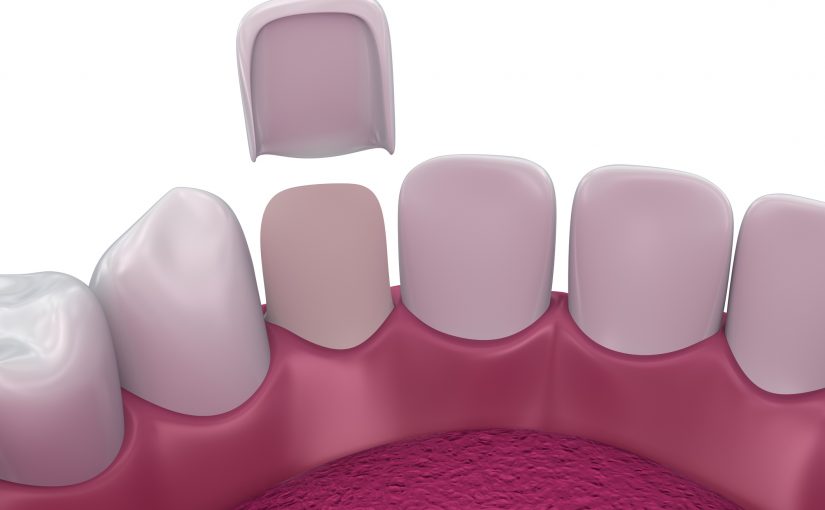
Veneers are custom-made porcelain shells used to cover the visible surface of a tooth. Veneers are made to match the appearance of a natural tooth both in color and shape. Veneers can be applied in one or two dental visits, but a thin layer of dental enamel will need to be removed from the natural teeth in order to create space for the veneer itself.


Veneers are extremely durable, flexible, less susceptible to fracturing, and easy to maintain. They are an effective solution for improving the appearance of minor flaws such as chipped, misaligned, discolored or gapped teeth.. They are not an effective solution for major dental issues, as they require a significant amount of tooth structure for the veneer to adhere to.  


Choosing Between Bonding And Veneers


Deciding which treatment will be most beneficial for you is best done with the help of a skilled and knowledgeable dentist. At Foutz Family Dentistry, Dr. Barton H. Foutz, DDS, has over 30 years of experience and expertise that allows him to make the best recommendation for each individual patient.

In general, dental bonding is recommended for patients who:


  • Have aesthetic concerns about their smile
  • Are unhappy with discoloration
  • Would like to fix minor flaws such as a small chip, crack, or gap
  • Would like to improve the appearance of short or misshapen teeth
  • Need to repair minor decay or protect exposed tooth roots
  • Have not experienced excessive tooth decay or trauma
  • Have healthy teeth with healthy roots and enamel


Veneers are typically a better solution for patients who:

  • Have severely stained or discolored teeth
  • Would like to fix cosmetic issues such as teeth that are mildly crooked, chipped, misshapen, or cracked
  • Have sufficient tooth enamel
  • Who do not have severely misaligned teeth or bite
  • Who do not grind or clench their teeth
  • Have healthy teeth and strong oral hygiene habits


To learn more about dental bonding and veneers in Henderson, NV, call Foutz Family Dentistry today at (702) 792-5929. During a consultation, Dr. Foutz will assess the condition of your teeth along with your needs and concerns and recommend the solution that will be most beneficial.


Dr. Barton H. Foutz, DDS
2510 Wigwam Parkway Suite 100 Henderson, NV 89074
(702) 792-5929

Facebooktwitterredditpinterestlinkedin

Dermal Fillers And Dentistry

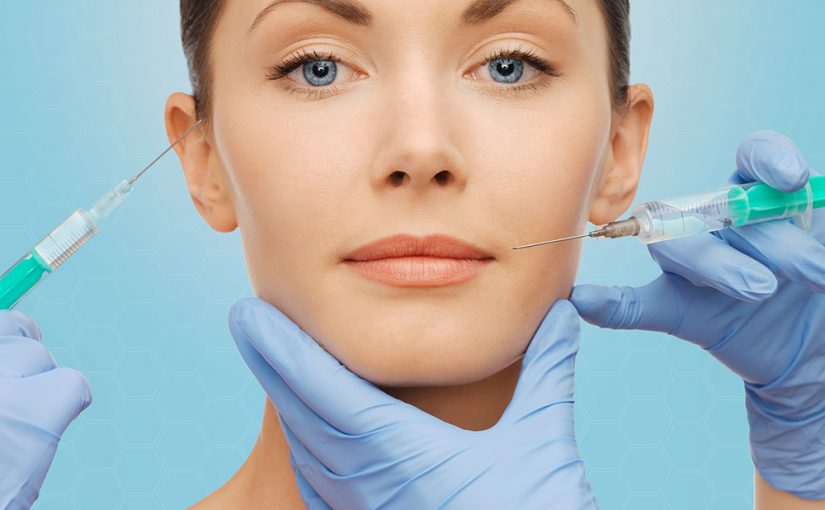
Dermal fillers are an injectable cosmetic treatment used to smooth facial lines and restore volume to the face. People often assume that dermal fillers can only be applied from a medical professional such as a plastic surgeon or through a medical aesthetics spa, but dermal fillers could also be available from your dentist. Because dentists specialize in oral and maxillofacial areas (from the chin to the forehead), they are, in reality, the ideal choice for delivering dermal filler injections. 

About Dermal Fillers


Dermal filler injections are an effective way to add volume to the face in order to help correct wrinkles and creases that result from the natural loss of elasticity, subcutaneous fat, and muscle strength. Dermal fillers are used for a number of aesthetic benefits including


  • Fighting signs of aging
  • Softening wrinkles, creases, and fine lines
  • Smoothing frown lines around the nose and mouth
  • Smoothing crow’s feet around the eyes
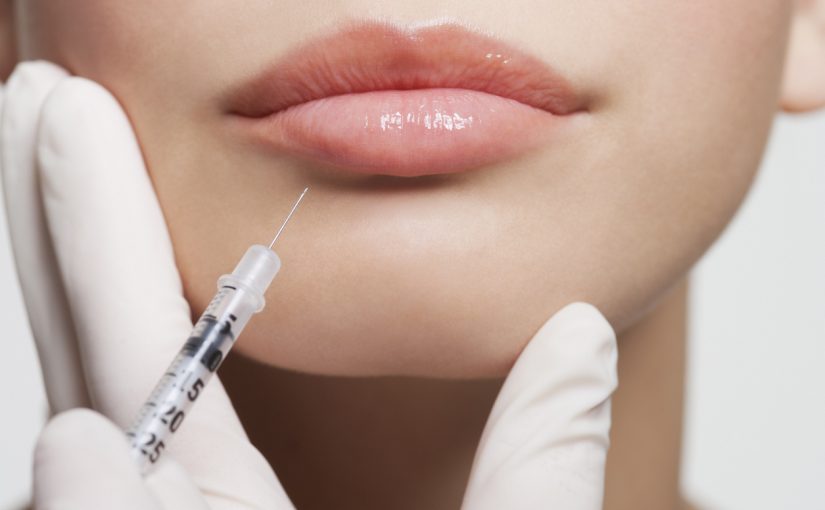
  • Improving lip volume


As a person ages, the folds in the face lose fat, collagen, and hyaluronic acid. This diminishes volume in the face causing lips to thin and folds in the face to become deeper creating a more notable appearance of fine lines and wrinkles. To combat this, a vast number of patients have turned to injectable dermal fillers. Dermal fillers can be injected into the folds surrounding the mouth and lips to create a fuller and shapelier appearance.  In dentistry, dermal fillers are often used to create a better frame for the aesthetic work performed on a patient’s teeth and gum tissue. Dermal fillers can also be injected into the face intraorally (inside the mouth) to help create a younger looking appearance. Dermal fillers can even be used in conjunction with Botox injections to further help patients achieve a refreshed and renewed appearance.


To administer dermal fillers, dentists are the best choice. A dentist is highly trained in the oral and facial muscles along with the musculature of the head and neck. They also have extensive knowledge and experience performing injections in and around the face. Specialized in oral and maxillofacial treatments, dentists have significant advantages that make them better suited to effectively administer dermal filler injections for optimal results.

Henderson Dermal Fillers


At Foutz Family Dentistry, Dr. Barton H. Foutz offers several brands of dermal fillers including Restylane, Belotero, Juvederm, Voluma, and Radiesse. A procedure typically takes anywhere from five to fifteen minutes and there is little to no down time after injection. The effects of dermal fillers can last between six to twelve months, however the most effective way for a patient to sustain results is through routine treatment.


With years of experience, Dr. Foutz is uniquely qualified to help your achieve your aesthetic goals through dermal filler injections. Call our office today at (702) 792-5929 to schedule an appointment.

Dr. Barton H. Foutz, DDS
2510 Wigwam Parkway Suite 100 Henderson, NV 89074
(702) 792-5929

Facebooktwitterredditpinterestlinkedin

Botox And Its Role In Dentistry

Botulinum toxin, better known as Botox, is an injectable neurotoxin that is most associated as a cosmetic treatment for softening frown lines and smoothing wrinkles. However, when administered correctly, Botox can provide a number of health benefits in addition to its aesthetic ones. In dentistry alone, Botox can be used to complement a smile or as a therapeutic agent to treat a variety of oral concerns or conditions.

Botox Is Now An Integral Part of Dentistry


Botox is one of the most sought after cosmetic treatments available. While Botox was originally identified as a solution for various facial, but non-dental, applications, it’s now a common service available through general dentistry. Dentists understand the mouth and the maxillofacial structures better than any other medical professionals and have found Botox to be a valuable tool for a number of applications including:


  • Periodontics
  • Restorative Dentistry
  • Endodontics
  • Fixed and removable prosthodontics
  • Orofacial pain treatment
  • Orthodontics
  • TMJ treatment
  • Implant dentistry
  • Esthetic dental cases


Dentists most often recommend Botox injections into the temporalis and masseter muscles in order to treat orofacial pain, TMJ, and bruxism (teeth grinding). It’s also useful for adjunct therapy in esthetic dentistry cases, lip augmentation, denture patients who are having a hard time acclimating to new dentures, and orthodontic cases in which the facial muscles need to be retrained.


How Does Botox Work?


As a medical treatment, Botox is injected into facial muscles affected by pain or discomfort and then works as a pain reliever would. Botox is injected into overactive muscles binding to cramped muscle fibers and subsequently causing those muscles to relax, decrease activity and essentially weaken for an extended period. Botox will effectively block chemical signals indicating pain to induce a temporary paralysis of the designated muscles. Neurotransmitters are then prevented from reaching nerve endings near the head, neck, or jaw.


Botox is a quick and effective treatment. Patients commonly report noticeable improvement within the first few days of treatment and measurable relief from pain within the first couple weeks. While patients will likely notice a small improvement following the first treatment, Botox will be most effective through a consistent number of treatment cycles. Patients often notice the greatest effect after the second or third treatment, with each treatment lasting for approximately 10-12 weeks.


Dentists Are The Best Choice For Administering Botox


Among medical professionals, dentists are by far the most skilled and knowledgeable in the oral and maxillofacial areas (the face from the chin to forehead) making them an ideal choice for administering Botox injections for facial aesthetics and facial pain treatment. The American Academy of Facial Esthetics (AAFE) has even reported that dentists consistently outperform plastic surgeons, physicians, physicians’ assistants, and nurse practitioners in the application of injectable treatments such as Botox.

Henderson Botox Injections


Dr. Barton H. Foutz of Foutz Family Dentistry in Henderson, Nevada is highly trained in head and neck musculature and has extensive knowledge and experience administering injections in and around the face. For years, Dr. Foutz has provided patients with therapeutic Botox injections that have provided invaluable relief from migraines, chronic headaches, TMJ tension, and jaw pain. For more information about Botox in dentistry, call our office today at (702) 792-5929 to set up a consultation.

Dr. Barton H. Foutz, DDS
2510 Wigwam Parkway Suite 100 Henderson, NV 89074
(702) 792-5929

Facebooktwitterredditpinterestlinkedin

Can Dental Implants Help Prevent Gum Disease?

Missing teeth can have a negative impact on a person in many ways. It can cause a person to feel embarrassed to smile and in turn impact their self-image and self-esteem. But it can also have other negative impacts such as damaging the jawbone, surrounding teeth, and even the gums.


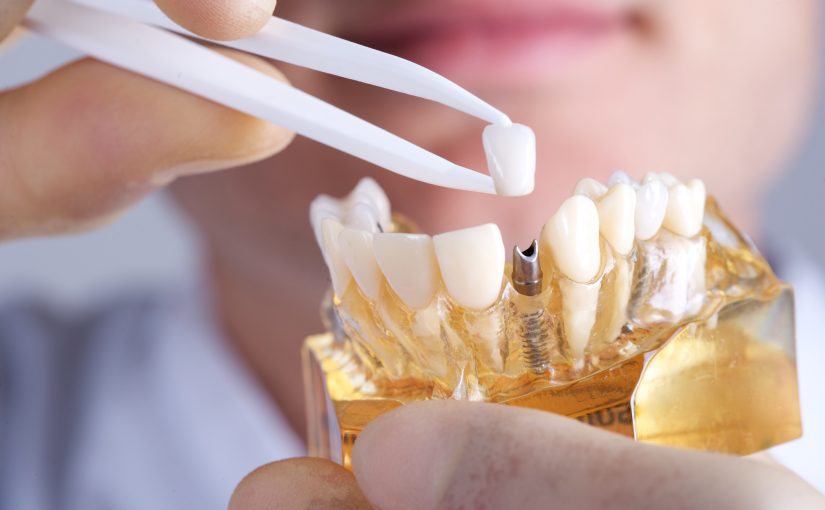
One of the most effective and long-lasting solutions for missing teeth is a dental implant. Dental implants are artificial teeth that are permanently fixed to the jawbone through a metal anchor and mounting post. They look and function just as a natural tooth would and if cared for properly will provide durability for a lifetime.


Dental implants can make a significant impact in improving a person’s smile and appearance, but they can also provide many other advantages including improving oral discomfort, making it easier to eat, and convenience over dentures. They can also have a positive impact on some oral health concerns. While the benefits of dental implants are many, it is still important to remember that even with dental implants good oral hygiene habits such as regular brushing and flossing are crucial for oral health.


Dental Implants Require Healthy Gums


In order to qualify for dental implants, you must first ensure that the health of your gums is in good condition. One of the most common factors that prevent people from getting a dental implant, and also one of the greatest threats to the success of a dental implant, is periodontal (gum) disease. This does not mean that a previous, or current, case of gum disease will completely disqualify you from getting dental implants, however, it will be necessary to address and successfully treat it first. Without healthy gums and healthy bone mass, the metal anchor of the implant will not be able to properly integrate into the jawbone.


If you have gum disease or are experiencing symptoms of gum disease, you must be proactive and see a dentist as soon as possible to begin treatment before the condition worsens. Symptoms of gum disease include bleeding or pain in the gums, redness or swelling of the gums, bad breath, sensitivity, receding gums, loose teeth, or an abscess. The sooner gum disease is brought under control, the sooner you can speak to a doctor about dental implants.


Will Dental Implants Help To Prevent Gum Disease?


While you may not get cavities with dental implants, they will not make you immune to gum disease. If you do not take the necessary measures to ensure that your teeth and gums remain in good condition, you can get gum disease even with artificial teeth. Typical oral hygiene habits such as brushing at least twice a day, flossing on a regular basis, and visiting the dentist at least twice a year for cleaning will help maintain your oral health.


Gum Disease And Dental Implants


After you’ve gotten dental implants, it is extremely important to care for your gums in order to avoid peri-implantitis, a type of periodontal disease in which infection and inflammation can set in around your implant. It is typically caused by plaque buildup from a lack of proper brushing or flossing and has similar symptoms to gum disease. If it is not treated quickly, it can damage to both your dental implant and the underlying gums and bone putting implant at risk of loosening or even detaching from the bone.


Henderson Dental Implants And Gum Disease Treatment


Fortunately, peri-implantitis and gum disease are both preventable and curable. Through routine dental examinations and cleanings, you can stop gum disease before it can threaten your dental implant. Combined with consistent brushing and flossing, dental cleanings are the most effective way to prevent gum disease from affecting your teeth and implants. Contact Foutz Family Dentistry today to learn more or to schedule an appointment.

Dr. Barton H. Foutz, DDS
2510 Wigwam Parkway Suite 100 Henderson, NV 89074
(702) 792-5929

Facebooktwitterredditpinterestlinkedin

Reasons To Go To The Dentist And Some Might Surprise You

Around 77% of adults say they will go to the dentist within the year to come, but less than half of those actually do. For many people going to the dentist can be a stressful experience, while many others don’t understand the importance and necessity of regular dental checkups.


Going to the dentist every six months for cleanings and routine exams plays a significant role in preventing dental and gum issues or identifying and treating them before they worsen into a serious issue. Research has also shown a connection between poor oral health or gum disease and other health conditions such as heart disease, stroke, or diabetes.


There are many reasons it is important to schedule a dentist appointment, whether for routine cleaning or to address a concern in your teeth or gums. Putting off going to the dentist can make many issues worse and the care need to treat them more expensive. Here are some important reasons to make a dentist appointment sooner rather than later:

Pain 

A toothache is one of the most obvious reasons to go to the dentist, but people often ignore it until it becomes unbearable.  Making a dentist appointment quickly can help stop a problem before it gets worse and save you from unnecessary pain.

Sensitivity

Sensitive teeth could simply be from growing older, but it could also be a sign of a more serious issue such as bruxism or teeth grinding. Sensitivity can be frustrating, but your dentist can make recommendations to help combat it.

Swelling

Swelling or lumps in your mouth, jaw, or even on your face or neck can be a sign of dental problem or a more serious underlying problem such as oral cancer.

Swollen Or Bleeding Gums

If you’ve noticed that your gums bleed after brushing, they feel tender or red, or appear puffy, it is important to see your dentist. Gum disease that is left untreated can become very serious, painful, and affect your teeth in addition to your gums.

Dry Mouth

Dry mouth or insufficient saliva can cause tooth decay or even affect the health of your gums.

Pain While Eating

It shouldn’t hurt to chew or swallow. This could be a sign of tooth decay, a cracked tooth, tissue damage or more, not to mention keep you from eating as well as you should be.

Jaw Pain

If your jaw pops regularly or if it hurts when you open or close your mouth, when you chew, or when you wake up in the morning, you could have a cracked tooth, an abscess, crowded teeth, or gum disease. Jaw pain can also be a sign that you’re grinding your teeth or have a TMD, disorders that cause chronic pain or dysfunction of the jaw.

You Don’t Like To Smile

Regardless of the reason for hiding your smile, a dentist can help you to regain your confidence. A dentist can provide treatment and solutions for everything from missing to discolored teeth.

You Are Pregnant

The extra hormones from pregnancy can often cause existing dental problems to worsen or increase the risk for new problems. A dental checkup while pregnant is safe and the best way to prevent oral issues.

You Smoke Or Chew Tobacco

Tobacco, regardless of how it is used can lead to a range of dental problems such as decay, bad breath or even oral cancer making it even more important to remain consistent with dental cleanings and checkups.

You’re Due For A Checkup

Routine cleanings and dental exams are beneficial for preventing problems, but it can also make it easier to treat them if they are caught early on. Checkups are also a good time to check the condition of past dental work and ensure that any fillings, crowns, or even implants are in good condition. 

Call us at Foutz Family Dentistry today at (702) 792-5929 to schedule an appointment.

Dr. Barton H. Foutz, DDS
2510 Wigwam Parkway Suite 100 Henderson, NV 89074
(702) 792-5929

Facebooktwitterredditpinterestlinkedin

Bad Tooth? Why An Implant Could Be The Best Solution

If you have a bad tooth, one that forces you to make constant trips to the dentist, you are likely searching for a long-term solution to free you from discomfort, embarrassment, and hassle. A bad tooth can quickly lead to an extraction leaving you with a gap in your smile along with the frustration of a missing tooth. One of the most effective ways to solve this problem is by replacing a bad tooth with a high quality dental implant.


Gum disease, dental decay and more can cause significant and irreparable damage to a tooth, but fortunately dental implants are available to give you the best solution. Dental implants provide a permanent, long-lasting alternative that offer unique advantages over their traditional counterparts such as bridges or dentures.

What Is A Dental Implant?

A dental implant is a custom made crown that is designed to look and function like natural teeth. For dental implants, porous metal anchor is first placed entirely into the jawbone and then left to allow bone growth around it to lock it into place. After the anchor has become fully integrated within the jawbone, a mounting post is secured into it and the crown is then attached to the post and positioned at the gum line.

Benefits Of A Dental Implant

Dental implants provide many benefits over bridges and dentures that have proven them as a better solution for replacing a missing or bad tooth. Among the many advantages of a dental implant you will find that implants:

  • Look And Feel Natural: implants are custom-made to fit in with surrounding teeth from size to color. This is particularly beneficial for people who only need to replace one tooth. Implants are not only designed to match your existing teeth, but they also function like natural teeth. Unlike dentures, implants are not taken out and will not move while you eat or talk. They are secured into the jawbone allowing them to provide the same feel as a natural tooth.
  • Are Comfortable: Unlike dentures, implants do not require adhesives to hold it in place. Dental implants are tightly attached and provide a natural level of comfort while chewing or speaking. Implants will not become loose if you eat certain foods, they will not move and cause friction, and they will not slip. The process for a dental implant procedure may be longer and may cause discomfort as healing and osseointegration occur, but the results are comfortable and durable.
  • Won’t Damage Surrounding Teeth: Turning to a dental bridge to solve your dental problems will require the use of healthy teeth to secure the bridge. This can put strain on those teeth or even cause damage. A dental implant will not affect surrounding teeth, but it can prevent you from experiencing more problems.
  • Are Long-Lasting: A dental implant is a permanent solution for bad or missing teeth. By carefully caring for your implant(s) just as you would your natural teeth, you can enjoy a dental solution that will last a lifetime. Implants cost more than a bridge or crown, but the long-term results can save you even more in terms of time, money, pain, and frustration.

Henderson Dental Implants

At Foutz Family Dentistry, we offer high quality dental implants that will provide you with the most effective solution for a bad tooth. Call our office today at (702) 792-5929 for more information on Henderson dental implants or to schedule a consultation.

Dr. Barton H. Foutz, DDS
2510 Wigwam Parkway Suite 100 Henderson, NV 89074
(702) 792-5929

Facebooktwitterredditpinterestlinkedin
Ezbond A. Foutz, D.D.S.
4 Generations of Dentists Spanning 3 Centuries
1st Generation:

Great Grandfather

Dr. Ezbond A. Foutz
Harold B. Foutz, D.D.S.
4 Generations of Dentists Spanning 3 Centuries
2nd Generation:

Grandfather

Dr. Harold B. Foutz
Lawrence C. Foutz, D.D.S.
4 Generations of Dentists Spanning 3 Centuries
3rd Generation:

Father

Dr. Lawrence C. Foutz
Barton H. Foutz, D.D.S.
4 Generations of Dentists Spanning 3 Centuries
4th Generation:

Family and Cosmetic Dentist

Dr. Barton H. Foutz