Botox at the Dentist? It Makes More Sense Than You Think

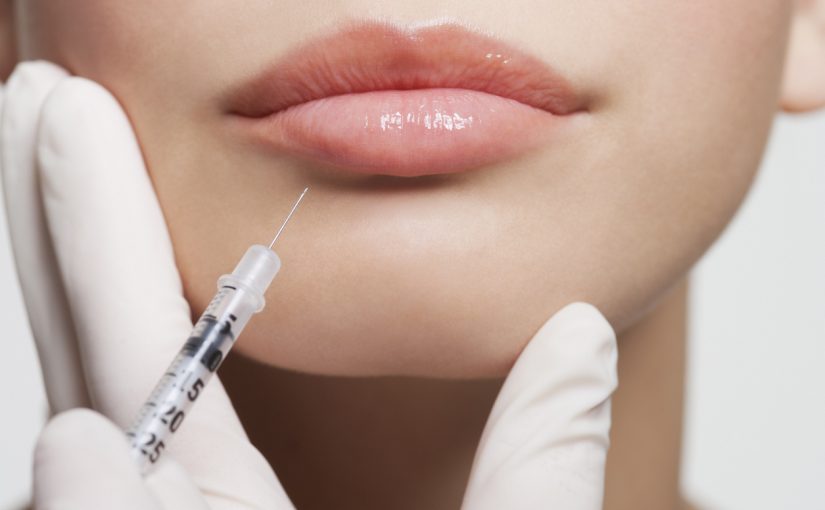
When most people think of Botox, they picture a dermatologist’s office or a med spa. The dentist’s chair doesn’t usually enter the picture. That’s changing, and for good reason.

What Do Dentists Use Botox For?

If you clench your teeth at night, grind through your sleep, or wake up with a sore jaw and tension headaches, the problem is usually the masseter muscle. It’s the thick, powerful muscle on the side of your jaw that closes your bite. When it’s overactive, it can cause a lot of pain and, over time, wear down your teeth.

A small amount of Botox injected into the masseter muscle relaxes it without eliminating function. You can still chew and do everything normally, but the unconscious clenching at night decreases. That also means you’ll experience less jaw soreness and fewer tension headaches.

The same thing benefits people with TMJ dysfunction. Botox treats the muscle behavior, not just the consequences, which isn’t something that mouthguards can do.

The Cosmetic Side

Yes, Botox at the dentist can also be purely cosmetic, and there’s nothing wrong with that. Your dentist can help with softening the lines around the mouth that deepen with age, treating a “gummy smile” (where more gum tissue than you’d like shows when you smile), and softening a square jawline caused by an enlarged masseter muscle.

How Does the Process Work?

First, your dentist will evaluate your jaw muscles and discuss your symptoms. Then, they’ll talk about injection sites (usually the masseter, and sometimes the temporalis muscle at the temple). The injections themselves take a few minutes and feel about like a standard dental injection.

It usually takes about a week to see the full results. Most patients notice significant relief from clenching symptoms within 10 days. The effects last three to six months, and with repeated treatments, many people find they need touch-ups less frequently as the muscle gradually learns to relax.

Your Dentist Already Knows Your Face

Why go to a dentist for Botox? Dentists spend years studying the anatomy of the head, neck, and face in significant detail. They understand how the muscles of the jaw, cheek, and temple interact, how those muscles affect your bite, your teeth, and how they cause pain. When it comes to treating muscle-related problems in that region, they’re arguably better than a dermatologist whose training focused on skin, not the structures beneath it.

Is Botox Right for You?

Not sure if Botox is the right treatment for you? If you wake up with jaw soreness, get frequent tension headaches that seem to start near your ears or temples, or have been told you grind your teeth, it’s definitely worth considering (and worth a consultation). Botox isn’t the first line of treatment for everyone, but for people who haven’t found relief through other approaches, it can be the piece that finally makes a difference.

Contact us today to schedule a consultation and learn more about whether Botox is the right treatment for you.

Facebooktwitterredditpinterestlinkedin

Botox And Its Role In Dentistry

Botulinum toxin, better known as Botox, is an injectable neurotoxin that is most associated as a cosmetic treatment for softening frown lines and smoothing wrinkles. However, when administered correctly, Botox can provide a number of health benefits in addition to its aesthetic ones. In dentistry alone, Botox can be used to complement a smile or as a therapeutic agent to treat a variety of oral concerns or conditions.

Botox Is Now An Integral Part of Dentistry


Botox is one of the most sought after cosmetic treatments available. While Botox was originally identified as a solution for various facial, but non-dental, applications, it’s now a common service available through general dentistry. Dentists understand the mouth and the maxillofacial structures better than any other medical professionals and have found Botox to be a valuable tool for a number of applications including:


  • Periodontics
  • Restorative Dentistry
  • Endodontics
  • Fixed and removable prosthodontics
  • Orofacial pain treatment
  • Orthodontics
  • TMJ treatment
  • Implant dentistry
  • Esthetic dental cases


Dentists most often recommend Botox injections into the temporalis and masseter muscles in order to treat orofacial pain, TMJ, and bruxism (teeth grinding). It’s also useful for adjunct therapy in esthetic dentistry cases, lip augmentation, denture patients who are having a hard time acclimating to new dentures, and orthodontic cases in which the facial muscles need to be retrained.


How Does Botox Work?


As a medical treatment, Botox is injected into facial muscles affected by pain or discomfort and then works as a pain reliever would. Botox is injected into overactive muscles binding to cramped muscle fibers and subsequently causing those muscles to relax, decrease activity and essentially weaken for an extended period. Botox will effectively block chemical signals indicating pain to induce a temporary paralysis of the designated muscles. Neurotransmitters are then prevented from reaching nerve endings near the head, neck, or jaw.


Botox is a quick and effective treatment. Patients commonly report noticeable improvement within the first few days of treatment and measurable relief from pain within the first couple weeks. While patients will likely notice a small improvement following the first treatment, Botox will be most effective through a consistent number of treatment cycles. Patients often notice the greatest effect after the second or third treatment, with each treatment lasting for approximately 10-12 weeks.


Dentists Are The Best Choice For Administering Botox


Among medical professionals, dentists are by far the most skilled and knowledgeable in the oral and maxillofacial areas (the face from the chin to forehead) making them an ideal choice for administering Botox injections for facial aesthetics and facial pain treatment. The American Academy of Facial Esthetics (AAFE) has even reported that dentists consistently outperform plastic surgeons, physicians, physicians’ assistants, and nurse practitioners in the application of injectable treatments such as Botox.

Henderson Botox Injections


Dr. Barton H. Foutz of Foutz Family Dentistry in Henderson, Nevada is highly trained in head and neck musculature and has extensive knowledge and experience administering injections in and around the face. For years, Dr. Foutz has provided patients with therapeutic Botox injections that have provided invaluable relief from migraines, chronic headaches, TMJ tension, and jaw pain. For more information about Botox in dentistry, call our office today at (702) 792-5929 to set up a consultation.

Dr. Barton H. Foutz, DDS
2510 Wigwam Parkway Suite 100 Henderson, NV 89074
(702) 792-5929

Facebooktwitterredditpinterestlinkedin

How Does Botox Help With Headaches And TMJ?

Botulinum toxin, most commonly known as botox, is an injectable neurotoxin that is most associated with softening frown lines and smoothing wrinkles. However, Botox has a number of health benefits in addition to its aesthetic ones when administered correctly.

Botox As A Medical Treatment

Botox is often used as a treatment for headache and migraine relief in addition to treatment for jaw pain, jaw tension, and TMJ (temporo-mandibular joint) disorders. In 2010, the FDA (Food and Drug Administration) approved the use of Botox as a treatment for chronic migraines and has also been recognized as a viable treatment for other medical conditions such as TMJ, neck spasms and even overactive bladder.

How Does Botox Work?

As a medical treatment, Botox is injected into the facial muscles affected with pain and discomfort and then works like a pain reliever as it binds to cramped muscle fibers and then causes them to relax. Botox blocks the chemical signals that indicate pain causing a temporary paralysis of the designated muscles and preventing those neurotransmitters from reaching the nerve endings around the head, neck, and jaw.

How Long Does It Take For Botox To Work?

Botox for the treatment of chronic headaches or jaw pain is most often quick and effective. A majority of patients report noticeable improvement within the first few days of treatment and relief within the first couple weeks. While patients may notice improvement following the first treatment, Botox is most effective in treating pain following a consistent number of treatment cycles. Patients often notice the greatest effect after the second or third treatment, with each treatment lasting for approximately 10-12 weeks.

Who Can Administer Botox?

Botox is a non-surgical procedure that can be administered by a doctor and arguably more effectively by a dentist. A dentist is one of the most knowledgeable medical professionals in the oral and facial areas making them uniquely qualified in the administration of Botox injections.

Dr. Barton H. Foutz of Foutz Family Dentistry in Henderson, Nevada is highly trained in head and neck musculature and has extensive knowledge and experience administering injections in and around the face. For years, Dr. Foutz has provided patients with therapeutic Botox injections that have provided invaluable relief from migraines, chronic headaches, TMJ tension, and jaw pain. For more information about Botox and how it can help with headaches or TMJ, call our office today at (702) 792-5929 to set up a consultation with Dr. Foutz.

Dr. Barton H. Foutz, DDS
2510 Wigwam Parkway Suite 100 Henderson, NV 89074
(702) 792-5929

Facebooktwitterredditpinterestlinkedin
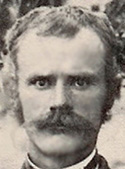
Ezbond A. Foutz, D.D.S.
4 Generations of Dentists Spanning 3 Centuries
1st Generation:

Great Grandfather

Dr. Ezbond A. Foutz
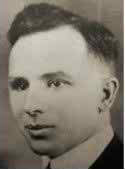
Harold B. Foutz, D.D.S.
4 Generations of Dentists Spanning 3 Centuries
2nd Generation:

Grandfather

Dr. Harold B. Foutz
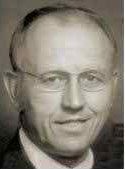
Lawrence C. Foutz, D.D.S.
4 Generations of Dentists Spanning 3 Centuries
3rd Generation:

Father

Dr. Lawrence C. Foutz
Barton H. Foutz, D.D.S.
4 Generations of Dentists Spanning 3 Centuries
4th Generation:

Family and Cosmetic Dentist

Dr. Barton H. Foutz