The Connection Between Sleep Apnea and Modern Dentistry

Do you snore loudly? Maybe you wake up exhausted no matter how many hours you slept, or find yourself nodding off at inopportune moments during the day. If that sounds familiar, there’s a decent chance sleep apnea is involved. Here’s something you might not expect: your dentist may be one of the most important people on your care team when it comes to managing it.

What Sleep Apnea Actually Is

 Obstructive sleep apnea happens when the muscles in the back of your throat relax too much during sleep. That lets your airway narrow or close entirely, cutting off airflow. Your brain registers the drop in oxygen and briefly wakes you up to reopen the airway. It can happen dozens or even hundreds of times a night. Over time, untreated sleep apnea can lead to serious health problems, like high blood pressure, heart disease, stroke, diabetes, depression, and cognitive decline.

Why Your Dentist Might Notice First

You might not connect your dentist with sleep apnea, but think about what your dentist sees when you open your mouth. The size and position of your jaw, your tongue, your soft palate, and the overall structure of your airway are all visible during a routine exam. A recessed jaw, a large tongue, a narrow airway, or excessive tissue at the back of the throat are associated with a higher risk of obstructive sleep apnea.

Your dentist might also notice worn-down teeth, which are a common sign of bruxism (teeth grinding during sleep). Bruxism and sleep apnea show up together pretty regularly. When your airway is obstructed, your body sometimes responds by grinding or clenching in an effort to reopen it.

Oral Appliance Therapy

For many people, the word “sleep apnea” immediately calls to mind a CPAP machine, which delivers a continuous stream of pressurized air through a mask while you sleep. CPAPs work, but they’re also bulky, loud, and uncomfortable enough that many people don’t use them consistently.

Oral appliance therapy is an alternative. A mandibular advancement device (MAD) is a custom-fitted mouthpiece similar to a sports guard that you wear while you sleep. It works by gently repositioning your lower jaw forward, which keeps your airway open and prevents the tissue collapse that causes apnea episodes. It’s also less uncomfortable, and you can travel with it easily, which makes it much more likely that you’ll use it.

The Fitting and Adjustment Process

If you’ve been diagnosed with sleep apnea and your doctor or sleep specialist recommends oral appliance therapy, the fitting happens in your dentist’s office. Your dentist takes detailed impressions or digital scans of your teeth and then makes a custom device.

 There’s an adjustment period as your jaw gets used to sleeping in a slightly different position. Most people adapt within a few weeks. Follow-up visits let your dentist fine-tune the degree of jaw advancement to find the position that controls your apnea while keeping you comfortable.

 Breathe (and Sleep) a Little Easier

If you’ve been told you might have sleep apnea, or if you’re waking up tired every morning and nobody has looked into why, it’s worth considering. Foutz Family Dentistry serves patients throughout the Henderson and Las Vegas area with comprehensive dental care, including sleep apnea solutions. Contact us today to schedule a consultation.

Facebooktwitterredditpinterestlinkedin

Dental Strategies to Treat Sleep Apnea

Do you or someone you love have sleep apnea? If you do, then you know just how difficult it can be for them to get a good night’s sleep. Of course, it is also often hard for others in the house to sleep well because of the snoring. Those who are often tired and aren’t certain why might find that sleep apnea is the culprit. Fortunately, there are various ways to help treat this type of condition today. Some of those ways to potentially help with sleep apnea are dental strategies, which we will discuss below.

Use of Oral Appliances

One of the first options to consider with your dentist will be oral appliances. Using certain types of appliances can often help with sleep apnea problems. Some of the most common types of appliances used for this purpose include mandibular advancement devices and mouthpieces that retain the tongue.

The MADs are custom-made for each person. They look very similar to a mouthguard that would normally be used for sports. The mouthpieces work simply, but they are quite effective. They will help to ensure the lower jaw and tongue are in a position that allows the airway to remain open. This is helpful since a lot of the problems with sleep apnea are due to the position of the tongue and lower jaw.

The tongue-retaining mouthpiece is another appliance that could work. It helps to ensure the tongue is kept in the correct position and that it doesn’t fall into the airway when sleeping. It should also help to prevent you from grinding your teeth.

Orthodontics Treatment

Many people who have sleep apnea suffer from the problem because they have smaller lower jaws. The smaller jaw could allow the tongue to slip into the airway. This will cause an obstruction and cause the person to snore. Typically, dentists are going to want to take care of this type of problem as early as possible. If it is not fixed at an early age, patients tend to see their mild symptoms get worse over time. This can cause them to develop sleep apnea when they get older.

Frenectomy

When someone has a “tongue tie”, it means that their tongue has a restricted range of motion. The symptoms can vary, but in some cases, they are severe. A lot of people don’t realize they have a tongue tie until it starts to affect other aspects of their life, including sleeping. Having a frenectomy conducted by a dental professional can help to reverse this problem. It is a relatively simple procedure.

Myofunctional Therapy

Those who have trouble swallowing, speaking, and breathing will often have sleep apnea. These are exercises that help to retrain the muscles in the tongue and face, so they can make breathing through the nose easier while sleeping. This therapy has the potential to be a huge benefit to those who suffer from sleep apnea, but it will take some time to work. You also need to be sure you are performing the exercises correctly.

Sleep apnea is no fun. It can cause serious problems with a person’s health over time, and it is not something that should be ignored.

Anyone who suffers from sleep apnea should look for a solution that will help them (and those around them) get to sleep at night. Take some time to speak with your dentist about the options available, so you can find a solution that helps. Get in touch with Foutz Family Dentistry today to talk about your sleep apnea case and to find the right strategies to use.

Facebooktwitterredditpinterestlinkedin
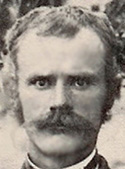
Ezbond A. Foutz, D.D.S.
4 Generations of Dentists Spanning 3 Centuries
1st Generation:

Great Grandfather

Dr. Ezbond A. Foutz
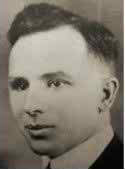
Harold B. Foutz, D.D.S.
4 Generations of Dentists Spanning 3 Centuries
2nd Generation:

Grandfather

Dr. Harold B. Foutz
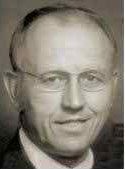
Lawrence C. Foutz, D.D.S.
4 Generations of Dentists Spanning 3 Centuries
3rd Generation:

Father

Dr. Lawrence C. Foutz
Barton H. Foutz, D.D.S.
4 Generations of Dentists Spanning 3 Centuries
4th Generation:

Family and Cosmetic Dentist

Dr. Barton H. Foutz